


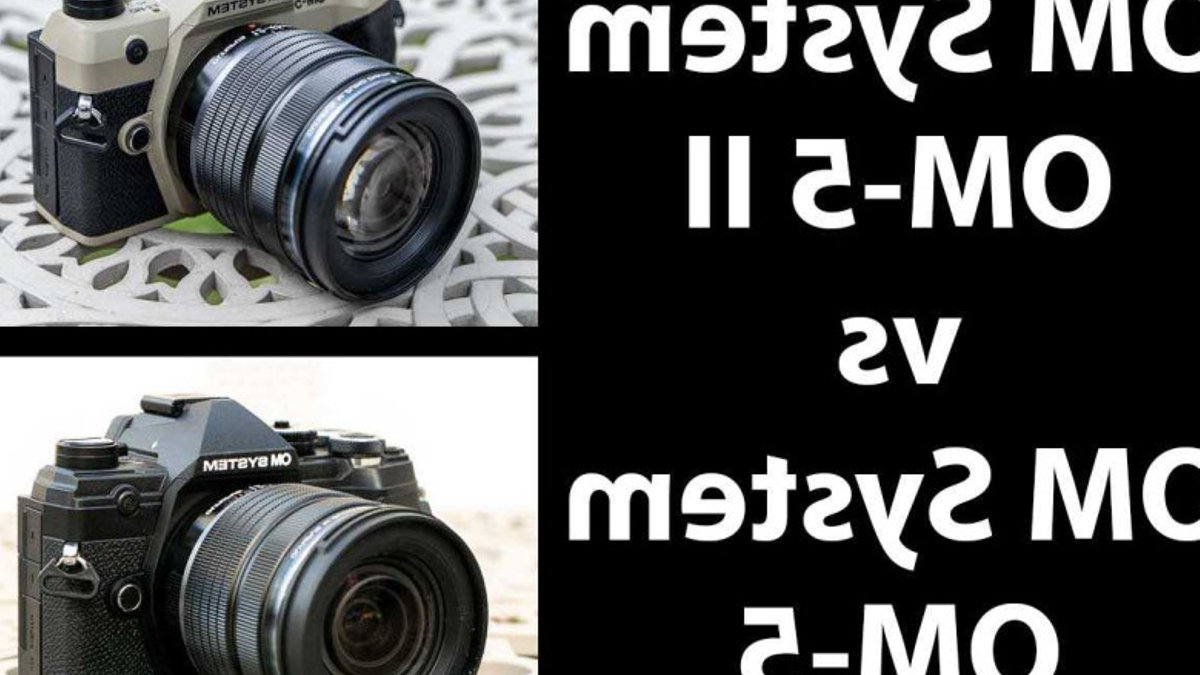
The OM System OM-5 Mark II vs OM-5 comparison reveals a camera update that prioritizes consistency over drastic change. Released three years after the original model, the Mark II brings a few tweaks to an already well-regarded system. With both cameras sharing the same core specifications, the question remains whether the newer iteration is worth the upgrade.
Sensor and Image Quality
Both devices feature the same 20.4 megapixel Micro Four Thirds Live MOS sensor. The processor inside, the TruePic IX, is also identical, meaning users shouldn’t expect a major jump in image fidelity.
ISO performance remains unchanged across the board. The native sensitivity range spans ISO 200 to 25600, with expandable settings down to ISO 64 and ISO 100.
Both models support the multi-shot high resolution shooting mode. This tech shifts the sensor by half-pixel steps to capture eight images in one second, creating files as large as 80 megapixels in JPEG or RAW format.
There is also a special Handheld High Res Shot mode, which works even when the camera is held in your hands. This mode still creates 25 or 50 megapixel files, though it works best on stationary subjects.
That said, 20 megapixels is a modest number for 2025. For setting photographers or those who frequently crop their images, the lack of a sensor upgrade might be a dealbreaker. However, for general street photography and documentary work, the resolution is generally sufficient, allowing for large prints without the storage overhead of high-resolution files.
Related: Canon R6 Mark III Tops Mark II
Features and Interface
One of the most noticeable additions to the OM-5 Mark II is a dedicated Computational Photography (CP) button. This allows instant access to modes like Focus Stacking, HDR, and Multiple Exposure, a feature previously seen on the more expensive OM-3 model.
Video capabilities remain largely the same. You can record 4K at 24p and 30p/25p/24p for up to 29 minutes, plus Full HD slow-motion at 120p.
The new model also gains the OM-Cinema 1 and 2 profiles from the higher-end OM-3. A red recording frame and tally lamp have been added to the top plate to improve workflow during recording.
Connectivity has improved slightly with a USB-C port. This allows the camera to be charged from a power bank, though it does not support power delivery. The menu system has also been updated to the newer interface found in the OM-1 for more intuitive control.
Physical dimensions are 125.3 x 85.2mm x 52.0mm, making the Mark II 370 grams. The grip is redesigned and slightly bigger at the front, though the optional handgrip accessory is no longer available.
Performance and Autofocus
Autofocus systems on both devices are powered by a dual phase- and contrast-based mechanism with 121 Phase Detection AF points. Face and eye detection is available, with improved performance at recognizing smaller faces and those turned sideways.
Related: Cultural Charms: How Tradition Influences Engagement Ring Designs
Shooting speed is identical at 10 frames per second with full tracking or 30fps in a continuous burst mode.
The Pro Capture feature works on both units, storing 15 frames before the shutter is pressed to ensure you don’t miss a split-second event.
Both cameras are IP-53 rated, which makes them best in class for protection against dust and water. They are also freezeproof down to -10°C, making them suitable for challenging weather conditions.
Battery life is rated for around 310 shots or 60 minutes of video. Both models support USB webcam functionality and feature a single UHS-II SD card slot.
Price and Availability
In the UK, the OM-5 Mark II launches at £1199 body-only, matching the original price point from 2022. The Mark II is available in silver, black, and a new limited-edition sand beige. The original model was only sold in silver or black.
Given the minimal changes, the older OM-5 remains a viable option for many buyers, especially if the new colors or grip size aren’t deal-breakers.


