


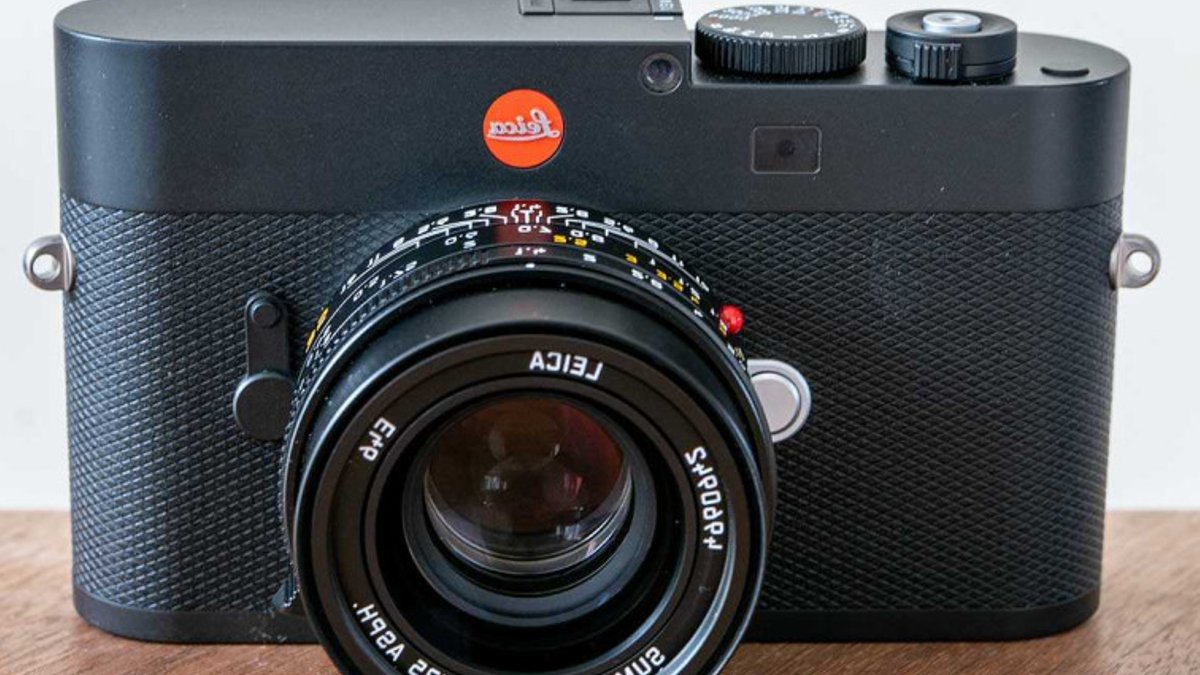
The Leica M EV1 introduces an electronic viewfinder to the M-system, marking a shift from traditional optics for a 60-megapixel full-frame sensor. Leica released this digital rangefinder in black with a recommended retail price of £6,840.00 / €7,950.00 / $8,995.00, positioning it as a specialized tool for stills photographers. The camera features a magnesium body with a diamond-pattern leatherette and measures 140mm x 80mm x 38mm, weighing 495g with the battery.
A New View of the M-Series
Leica integrated a 5.76-megapixel electronic viewfinder into the M EV1, replacing the traditional optical rangefinder. This display offers 100% frame coverage and a 60fps refresh rate. The EVF automatically switches to the rear LCD using an eye sensor. Viewers can adjust the dioptre between -4 and +2 dioptres. The rear LCD is a 3-inch, 2.3-million-pixel touchscreen that takes up two-thirds of the back plate.
Handling the menu system requires the camera’s physical controls. A dedicated top-plate dial adjusts shutter speed from 8 seconds to 1/4000th of a second. The ISO dial found on the M11 is absent here, forcing users to adjust settings via the menu or auto-ISO. A configurable function button on the top plate displays a magnified view to aid focusing. The interface is streamlined but cannot be handled via touch, requiring the use of the physical navigation wheel or arrows.
Related: Canon EOS C50 Review Highlights Compact Cinema Camera
Sensor Specs and Burst Performance
The heart of the camera is a 60-megapixel BSI CMOS sensor paired with the Maestro III processor. This combination outputs 14-bit raw files and offers a dynamic range of up to 15 stops. It shoots at 4.5 frames per second for up to 15 raw files. To mitigate the storage demands of 60 megapixels, Leica included “Triple Resolution Technology.” This allows shooting at 60, 36, or 18 megapixels, with the smaller modes offering improved dynamic range and noise levels.
The sensor also supports an electronic shutter. This allows for silent shooting up to 1/16000th of a second and wide-open aperture use in bright sunlight without ND filters. However, the device lacks in-body image stabilisation. Electronic stabilization is available only for the magnified view in live mode. Connectivity includes USB-C for charging and wired iPhone control via the Leica FOTOS app, though the cable is proprietary.
Image quality tests reveal noise-free JPEGs up to ISO 1600, with acceptable results through ISO 12500. The RAW files retain more detail but can appear softer than their JPEG counterparts. Video capabilities are nonexistent, a limitation that some critics find fitting for the camera’s heritage. The battery life, rated at 244 shots with the LCD, is shorter than the M11 due to the power consumption of the viewfinder.
Related: Forever Sparkle: Unveiling the Timeless Beauty of Moissanite Engagement Rings
Design and Usability
The build quality remains high with a metal housing and rubber seals for light protection, though it is not fully weatherproof. There is no traditional handgrip; users rely on a raised thumb rest. The base plate is fixed to provide faster access to the battery and SD card slot. This change from the removable base plate of previous models may not please purists. The camera supports over 50 lenses from the current M range and numerous older lenses via adapters.
Despite adding an EVF, the M EV1 complicates the user experience. The lack of an ISO dial and shorter battery life are significant drawbacks. The electronic viewfinder does not add enough value to justify the cost for seasoned users who prefer the optical experience. While the camera produces excellent still images, its niche appeal limits its potential to expand the user base significantly.


